Home · Places · Ancient History of Sri Lanka: Kingdoms, Ruins and How to See Them
heritage · 18 October 2026
Ancient History of Sri Lanka: Kingdoms, Ruins and How to See Them
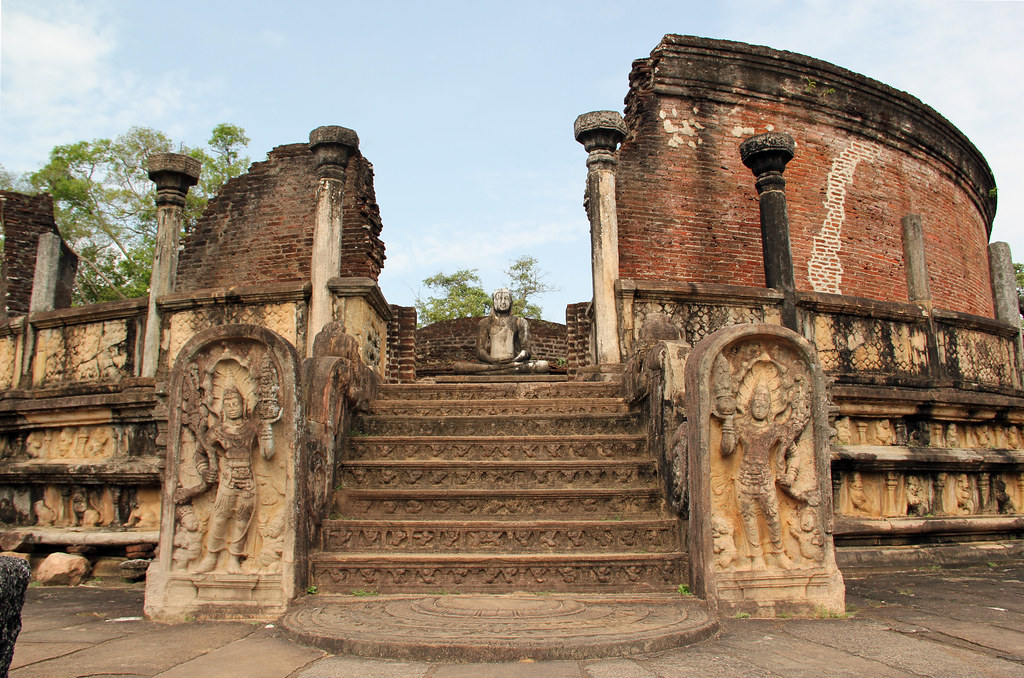
Cover photo: gripso_banana_prune (Flickr)
The story in five minutes
Irrigation civilisation from the 4th century BCE made the dry zone bloom. Anuradhapura ruled for 1,400 years (Buddhism arrives 3rd century BCE, the Bodhi-tree sapling still lives). Polonnaruwa succeeded it (11th–13th century, Parakramabahu's golden age). Power drifted southwest through Yapahuwa, Dambadeniya and Kandy, which held out until the British took the whole island in 1815. Sigiriya (5th century) is the dramatic footnote — a king's fortress-palace in the sky.
Anuradhapura: the deep city
Give it a full day by bicycle or tuk-tuk: Sri Maha Bodhi (the world's oldest documented tree), Ruwanwelisaya and Jetavanaramaya stupas (Jetavanaramaya was among the tallest structures on earth), Abhayagiri monastery complex, Isurumuniya rock carvings, twin ponds. Dawn or late afternoon — midday heat empties the ruins for good reason.
Polonnaruwa: the compact city
Half a day by bicycle does it: the Vatadage (circular relic house, the island's most beautiful ruin), Gal Vihara's four Buddhas, the royal palace complex, Parakrama Samudra tank. Better preserved than Anuradhapura, easier to read, best with the small museum first.
Sigiriya and Dambulla: the pair
Climb Sigiriya at 6:30am opening (1,200 steps, mirror wall, frescoes, lion paws, summit gardens). Short on cash or crowds patience? Pidurangala, the rock next door, costs $2–3, climbs comparably, and puts Sigiriya itself in your sunrise photo. Afternoon at Dambulla's cave temples — 150 Buddhas across five painted caves, the island's best-preserved cave complex. The two sites explain each other: fortress ambition, then monastic patience.
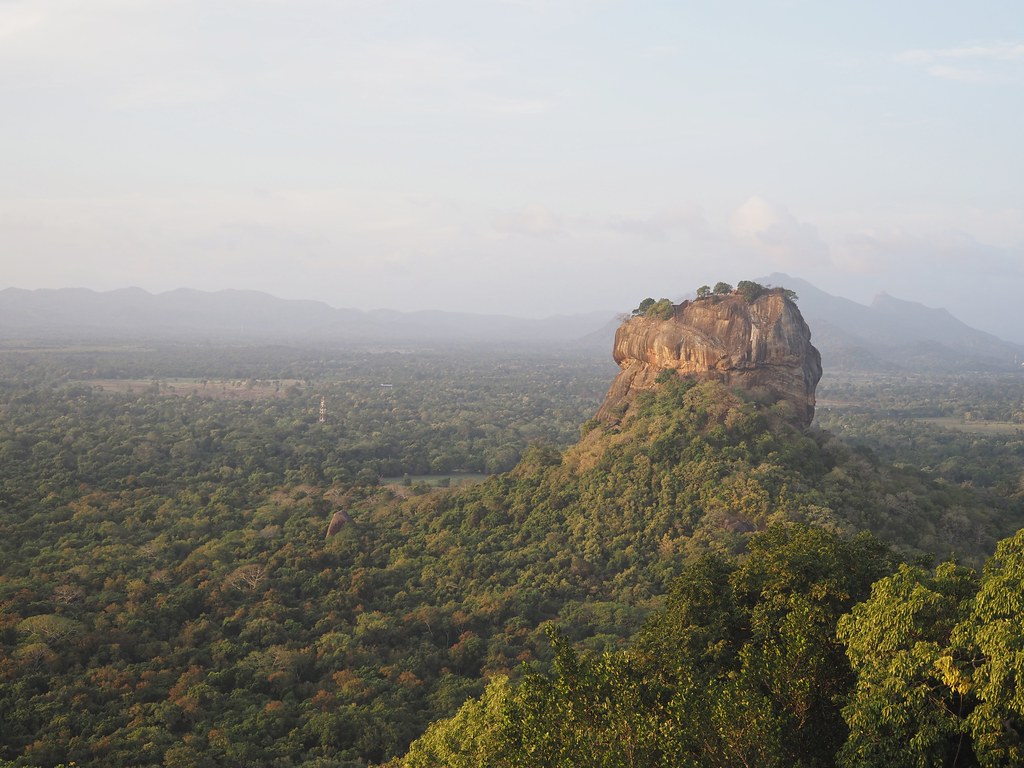
Photo: Bex.Walton (Flickr)
Kandy: the last kingdom
The Temple of the Tooth evening ceremony (drumming, 6:30pm-ish daily), the lake walk, Peradeniya gardens, and the story that matters — 2,000 years of independence ending here in 1815. Kandy is where ancient history becomes yesterday.
The history route that works
Three days: Anuradhapura (day 1) → Sigiriya climb + Dambulla (day 2) → Polonnaruwa (day 3), sleeping in Sigiriya/Dambulla between. Add Minneriya elephants in season (July–October) between days 2 and 3 — history plus wildlife in one loop. Entries bite (Sigiriya $35, Polonnaruwa and Anuradhapura $30 each at the 2026 Central Cultural Fund list) — and the CCF round ticket bundles all three, valid two months from first use, so buy it once rather than bleeding at every gate.
How to read ruins well
Hire the site guide at the gate (not the one who finds you), visit the small museum before the site, carry water and a hat — shade is scarce by design (kings liked awe). Dress covered: these are living sacred sites, not dead stones — monks, pilgrims and school groups share them with you.
Photo spots
Sigiriya from Pidurangala base at dawn, Vatadage through its pillars, Gal Vihara in raking afternoon light, Ruwanwelisaya white dome against monsoon sky, Isurumuniya's lovers carving, Dambulla's reclining Buddha rows.
Places: anuradhapura, polonnaruwa, sigiriya, dambulla, kandy
Keep exploring
New guides twice a week: beaches, costs, routes and honest local truth.
Comments & tips