 Lanka
Home · Places · Southern · Matara · Deniyaya — Matara Travel Guide
city · 23 March 2026
Deniyaya — Matara Travel Guide
Cover photo: Dilani Wickramanayake (Unsplash)
Why go
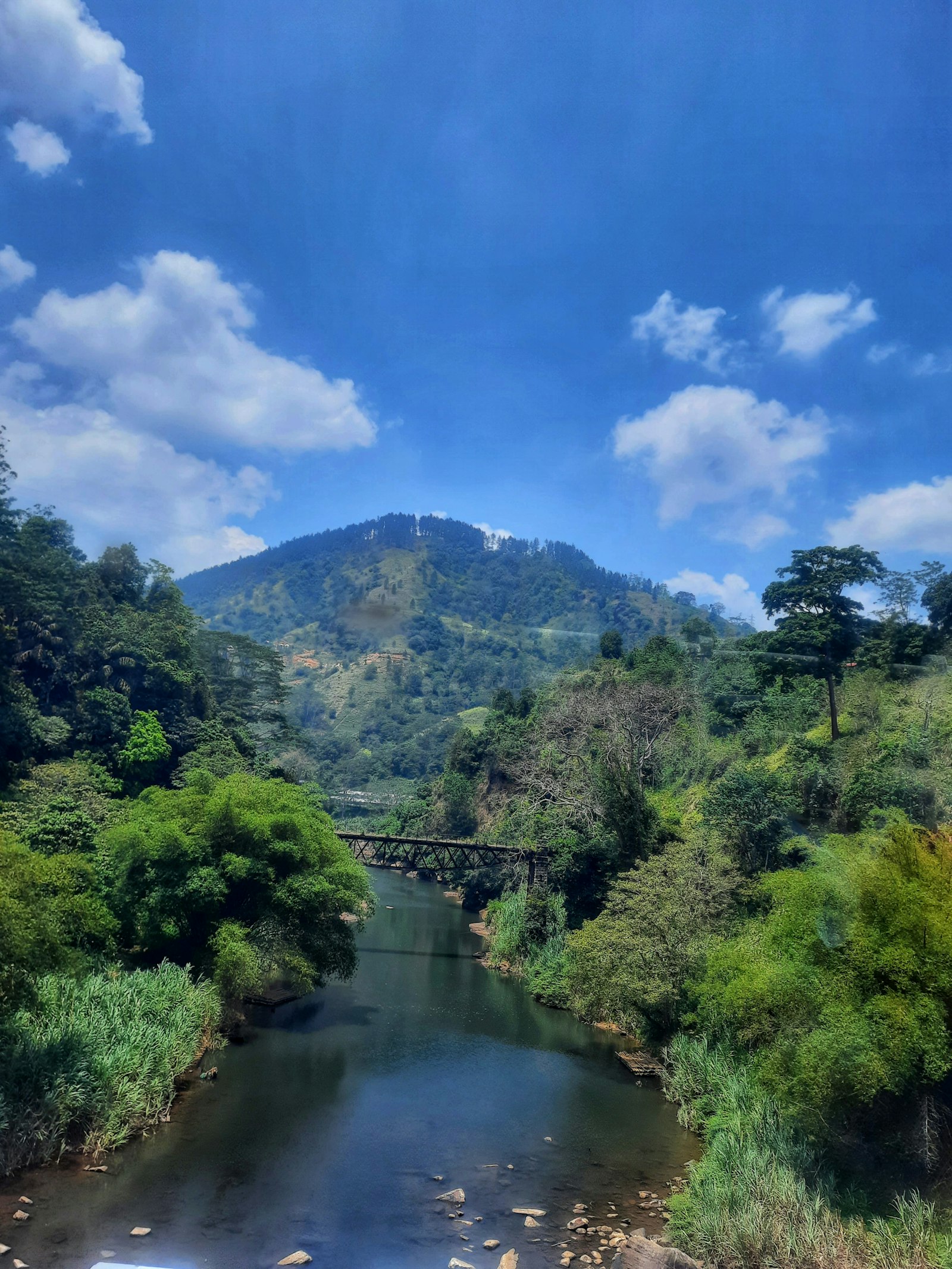
Deniyaya sits at 450 metres where the A17 climbs out of the southern lowlands toward the hill country — close enough to the coast for a detour, cool enough that the air feels different the moment you arrive. Tea estates stripe the slopes, mist hangs over the hills most mornings, and the great Sinharaja rainforest starts practically at the edge of town via its southern Lankagama gate. Dawn here belongs to the birds. It works as a one- or two-night breather between the south-coast beaches and the highlands: walkable town, waterfall afternoons, forest days.
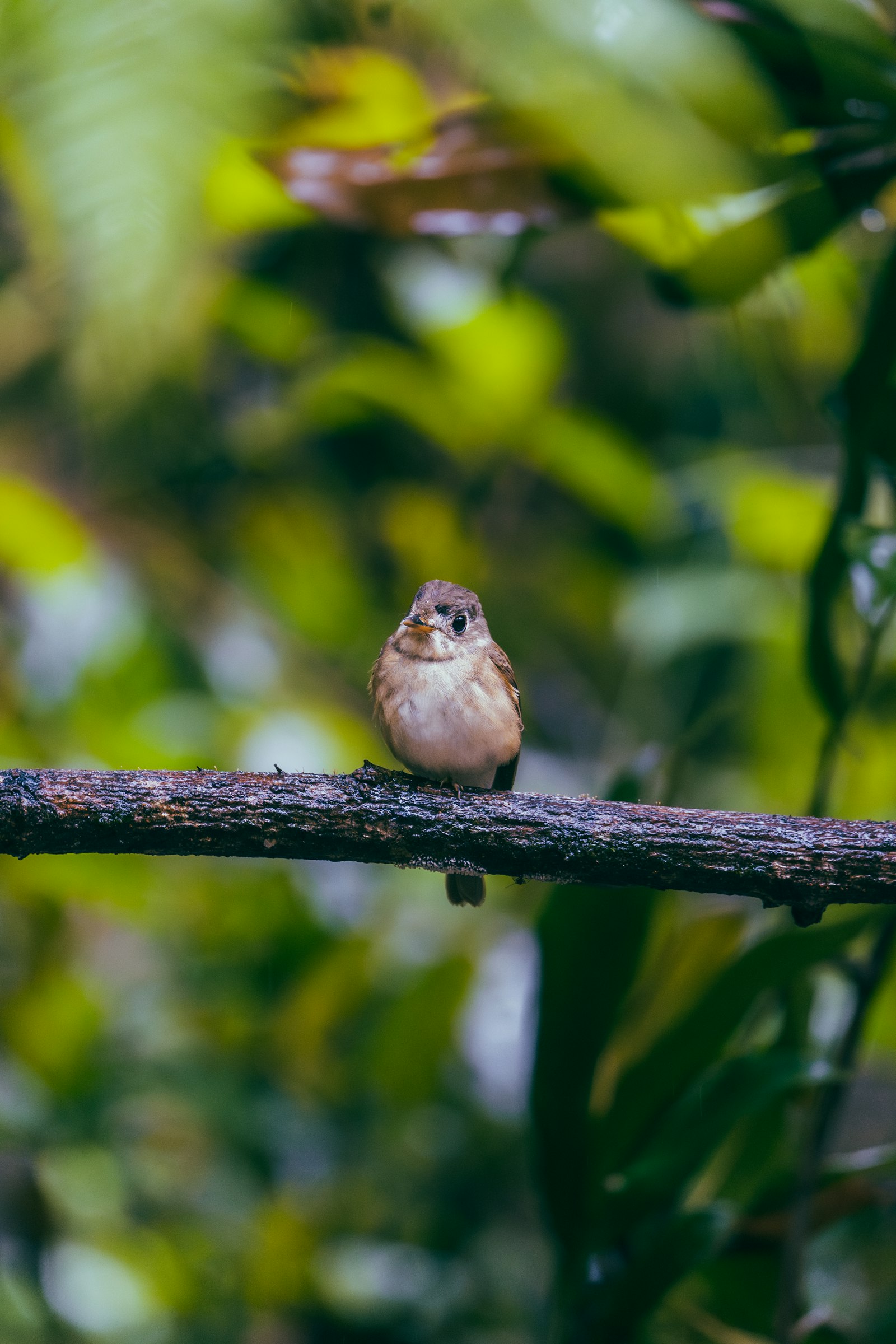
Photo: Anupa Uthsara (Unsplash)
Best for
Cool-climate hill town at Sinharaja's southern door: tea slopes, misty mornings, forest waterfalls and the Lankagama gate
A southern hill town, not a beach town
Set expectations by altitude, not latitude. Deniyaya was built on tea — estates and smallholdings cover the surrounding slopes, and vegetables grow in the cooler air. The town itself is small and practical: a bus station, markets, bakeries and guesthouses strung along the A17. Evenings can want a light layer, which surprises travellers arriving from 30-degree Mirissa an hour or two below. That contrast is the whole point of coming.
Waterfalls within reach
The wet hills around town hide forest falls — estate-track cascades that run hardest after rain, with a named Brahmana Waterfall documented near the Lankagama forest entrance a short ride from town. Falls here come and go with the rains and local access, so ask your guesthouse which ones are running, whether the base pools are safe for a dip, and never swim above a drop you cannot see the bottom of.
The Lankagama gate to Sinharaja
Deniyaya is the natural base for Sinharaja's southern entrance at Lankagama (also signed Pitadeniya), reached on the Sinharaja access road past Pitabeddara. Same UNESCO-listed rainforest as the famous Kudawa side, but quieter trails and pools on some routes — better for a half-day rainforest taste, while dawn-birding purists still favour Kudawa's bird waves. Whichever gate fits your route is the right one; read the Kudawa entrance guide for the full logistics picture, since tickets, mandatory guides and leech protocols are identical.
A registered guide is mandatory at Lankagama too — agree the fee in writing before you start, expect a foreign-visitor entry ticket on top, and confirm both at the gate since prices move. Go early: bird activity peaks in the first hours and the afternoons usually cloud over. The understorey rewards slow eyes between sightings — frogs, lizards and giant squirrels fill the gaps.
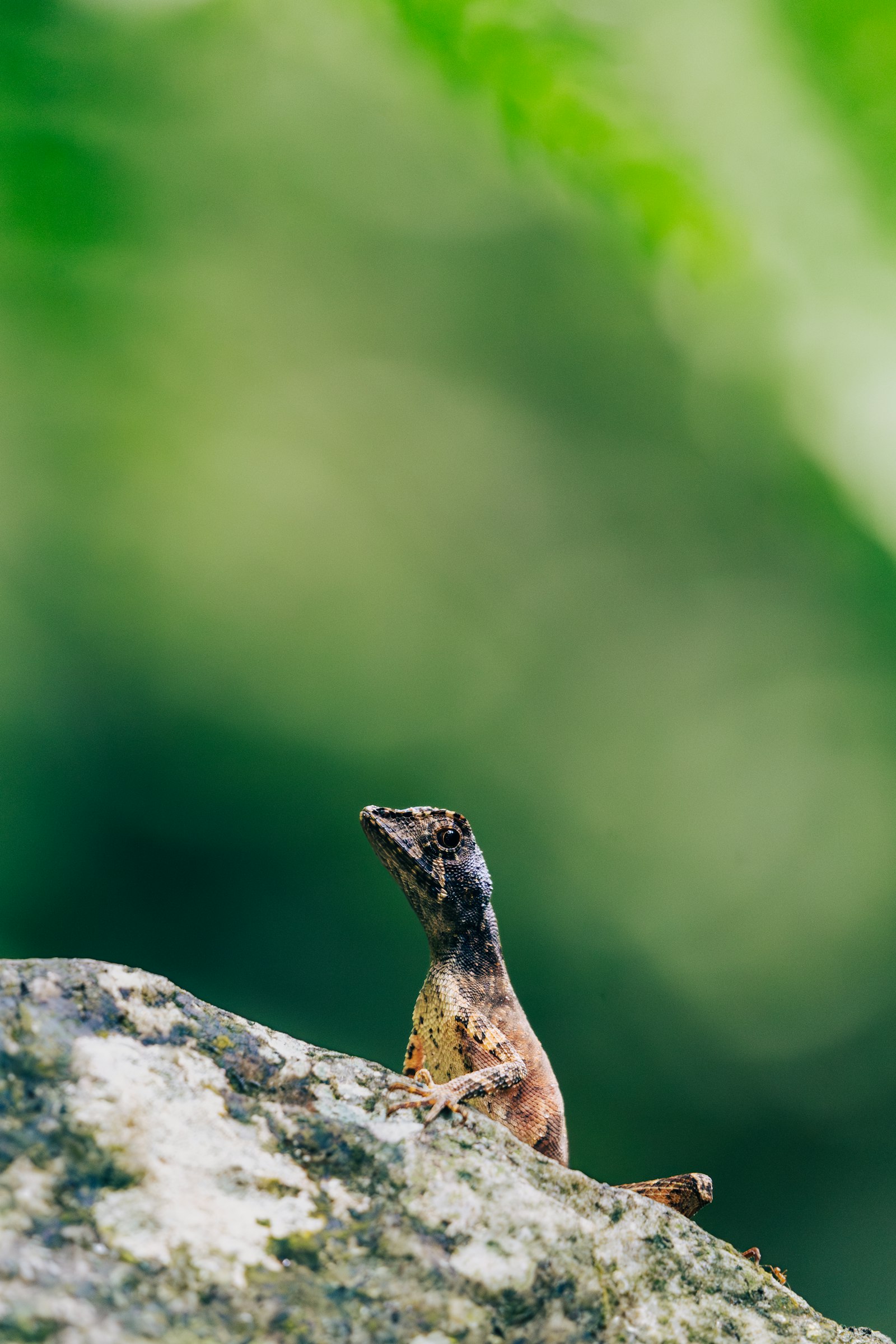
Photo: Anupa Uthsara (Unsplash)
Getting there
Deniyaya sits on the A17 (Galle–Madampe road) via Akuressa and Morawaka — direct buses run from Galle and Matara, and the ride up from the coast is half the scenery. From the hill-country side, routes connect through Rakwana. Tuk-tuks cover the town and waterfall runs; hire a van or car for the forest gate and onward journeys. Confirm bus times locally the night before; schedules shift.
Good to know
Deniyaya town, Matara District, Southern Province. Carry cash — small-town shops and tuk-tuks run on rupees, not cards. Pack a light rain jacket whatever the month; this is one of the wettest corners of the south. Pair this stop with nearby places in the directory or find it pinned on the map.
Watch outs
Prices, hours and access rules change — confirm locally and treat anything undated as a lead, not a promise. Forest tracks are slippery after rain; wear grip, not flip-flops. Common island-wide traps (overcharging, steering, ticket games) apply here like everywhere else.
Been here lately? Comment below with fresh prices or corrections — photos welcome.
Things to do
- Walk markets in the morning when produce and gossip are fresh
- Fix tuk-tuk prices before boarding, or use a metered app
- Visit one museum to anchor the city's story
- End the day at a public sunset spot (Galle Face, lake, rampart)
Cost breakdown
City buses LKR 50–200, tuk-tuks LKR 150–300/km (agree upfront), museum tickets a few hundred LKR (Oct 2026 typicals — confirm locally).
Culture to know before you go
Bargain with a smile and be ready to walk away. Keep small notes — nobody has change. Ask before photographing stall owners.
Costs are island-typical ranges (October 2026), not promises — confirm locally. Etiquette notes follow the place type (City & Market).
Related guides
Surf
Weligama Beach Surf Bay — Matara Travel Guide
Beginner surfers and surf schools; gentle long beach break
Read guide →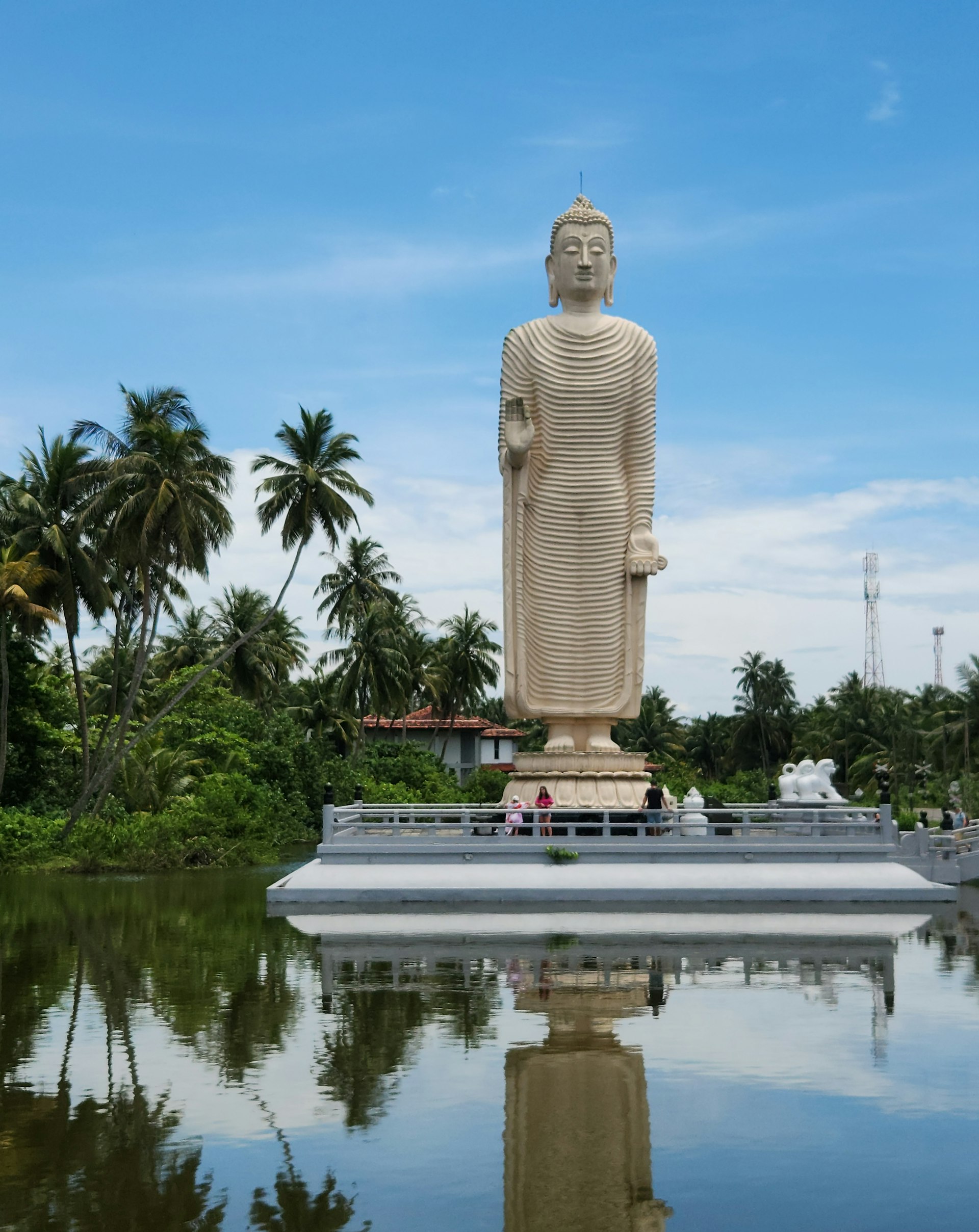
Temple & Sacred
Wewurukannala Buduraja Maha Viharaya — Matara Travel Guide
Buddhist pilgrims and art lovers; giant seated Buddha and tunnel murals of hell and heaven
Read guide →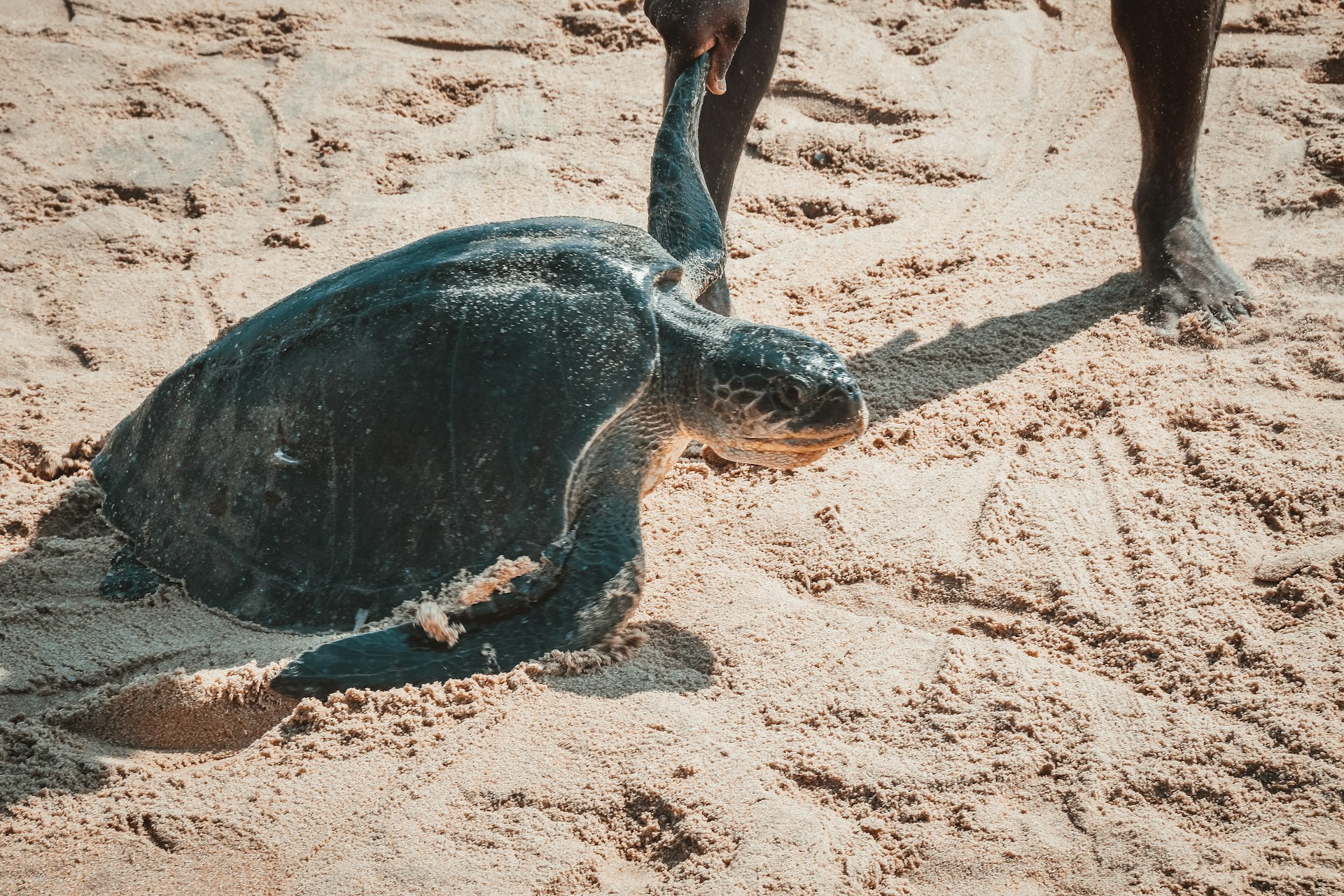
Beach
Polhena Beach — Matara Travel Guide
Snorkellers and families; reef-sheltered swimming with turtles
Read guide →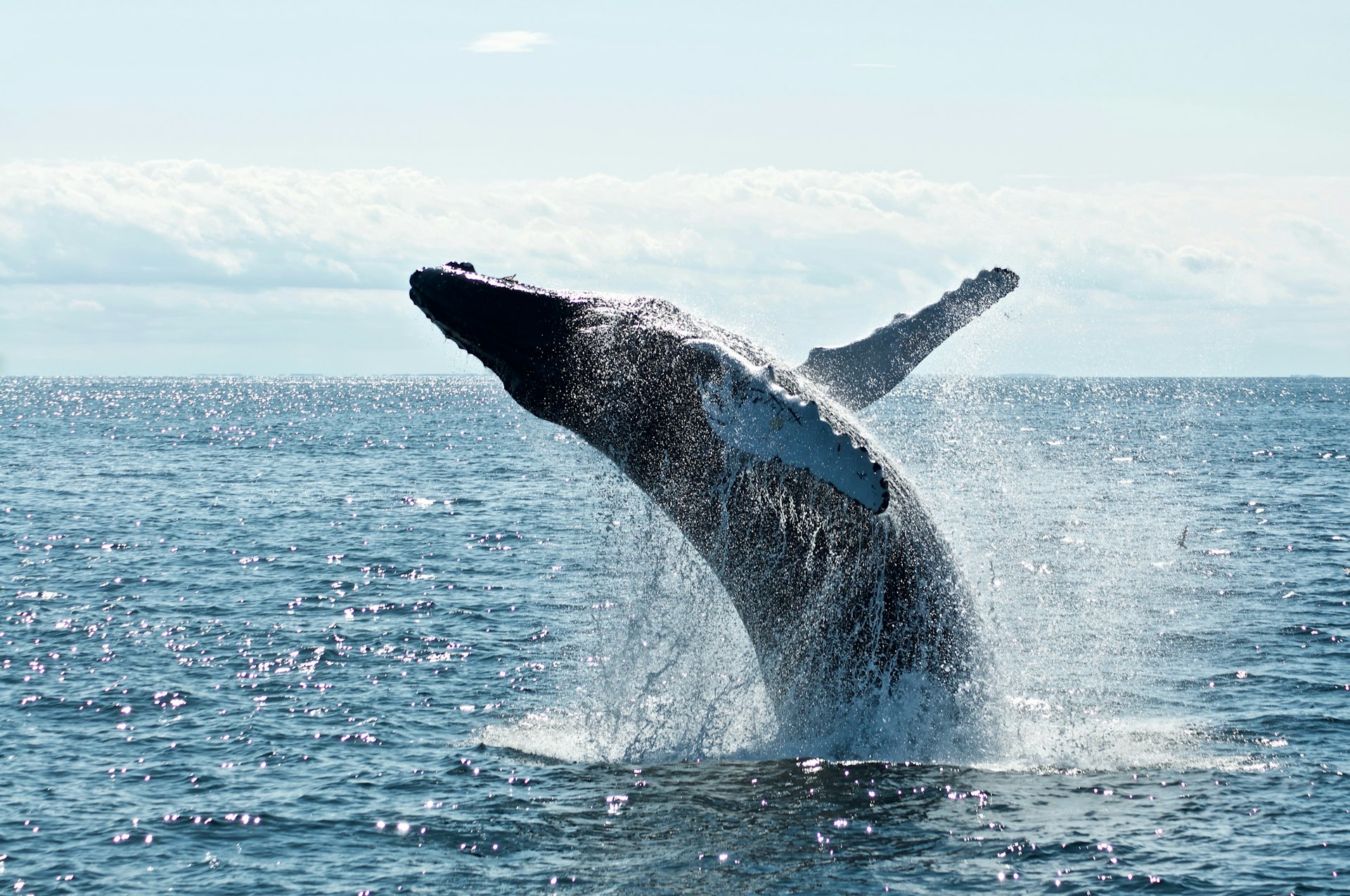
Wildlife & Safari
Mirissa Whale Watching — Matara Travel Guide
Wildlife seekers; blue-whale and dolphin cruises from the harbour
Read guide →Places: deniyaya, matara, southern
Keep exploring
New guides twice a week: beaches, costs, routes and honest local truth.
Comments & tips