 Lanka
Home · Places · Sri Lanka Arrival Guide: Visa, SIM and Money — Western Travel Guide
Essentials · 19 October 2026
Sri Lanka Arrival Guide: Visa, SIM and Money — Western Travel Guide
Cover photo: Dinuka Lankaloka (Unsplash)
Why go
Nobody dreams about immigration queues — but the first hour in Sri Lanka decides the first day. Get three things right before you leave the airport and the trip starts smooth: entry permission sorted online, a local SIM in your phone, and the right mix of rupees and cards. Get them wrong and you start with roaming bills, ATM hunts and tout-priced rides.
Photo: Habib Ilmi (Unsplash)
Best for
First-hour playbook: free and paid ETAs, airport SIM counters, rupees versus cards
Visa and ETA
Almost every foreign visitor needs an Electronic Travel Authorization before flying. Since May 2026, nationals of around 40 countries — including India — get the 30-day double-entry tourist ETA free. Other SAARC nationals pay about US$20, most other nationalities about US$50. The only official portal is eta.gov.lk; third-party sites routinely overcharge for the same form, so type the address yourself. Approval usually lands in 24–72 hours — apply several days before departure, not the night before.
SIM and connectivity
Do not roam — buy local in the arrivals hall right after customs, where Dialog, Mobitel and Hutch run official counters. Bring your passport; registration is mandatory. Dialog's 30-day tourist plans run roughly LKR 1,399 for 20 GB, 1,799 for 30 GB and 2,450 for 50 GB; Mobitel counters with a 7-day 15 GB pack around LKR 821. Dialog and Mobitel win on coverage outside cities — hill country and the east included. Hutch is cheapest if you never leave the switchbacks of the tourist trail. Staff set everything up on the spot, and eSIMs are available from Dialog, Mobitel and resellers like Airalo if your phone supports them.

Photo: Pim de Boer (Unsplash)
Money: rupees and cards
The rupee (LKR) rules small transactions: tuk-tuks, street food, market stalls, tips, temple donations. Cards (Visa/Mastercard) work at hotels, malls and high-end restaurants. ATMs cluster in the arrivals hall and every town of size — withdraw enough for the first two days, since rural ATMs run dry on weekends. Haggling is normal in markets: polite bargaining typically shaves 10–20% in Galle, Colombo and Kandy. No verified rupee-note photo was available for this guide; denominations run 20 to 5,000, and the 5,000 note breaks nowhere small — split big notes at supermarkets, not tuk-tuks.
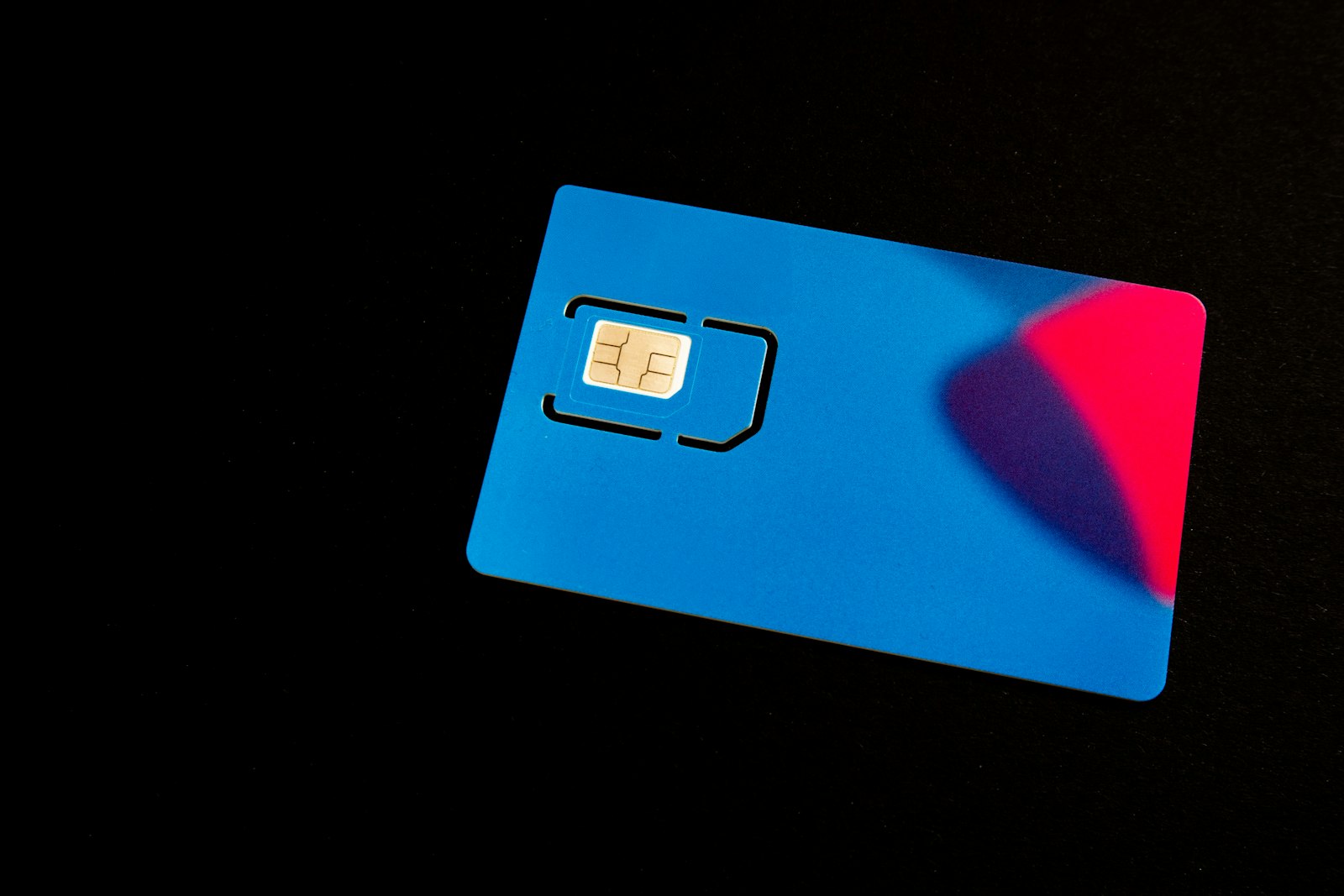
Photo: User_Pascal (Unsplash)
Leaving the airport
Bandaranaike International sits at Katunayake, about 35 km north of Colombo — 45–90 minutes by road depending on traffic. Prepaid taxi counters in arrivals beat curbside haggling; the airport express bus runs to Colombo Fort and Pettah for a fraction of the price. If your first night is on the south coast, compare the taxi fare against splitting the journey: expressway bus to Colombo, then the coastal train south from Fort — slower, cheaper, and the sea views start immediately.
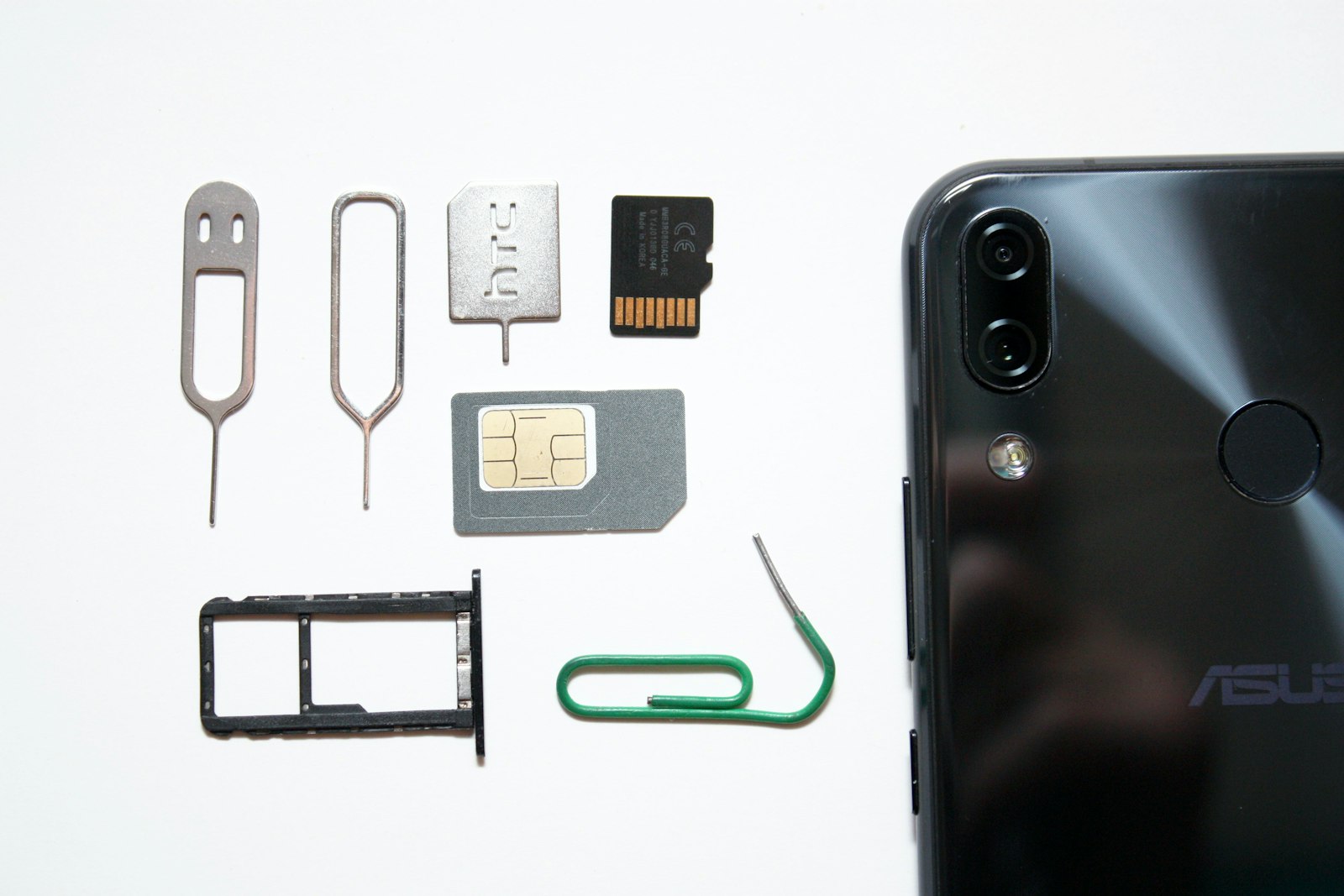
Photo: Andrey Matveev (Unsplash)
Good to know
Gampaha District, Western Province. Pair this stop with nearby places in the directory or find it pinned on the map.
Watch outs
Prices, hours and access rules change — confirm locally and treat anything undated as a lead, not a promise. Common island-wide traps (overcharging, steering, ticket games) are listed on the directory.
Been here lately? Comment below with fresh prices or corrections — photos welcome.
Things to do
- Arrive at opening to beat heat and crowds
- Hire the site guide at the gate, not touts outside
- Carry water — shade is thin at most ruins
- Pair the visit with its museum if one exists
Cost breakdown
Major ticketed sites (Sigiriya, Cultural Triangle) charge foreign visitors roughly USD 25–35; smaller forts and old towns are usually free to walk (Oct 2026 typicals — confirm locally).
Culture to know before you go
Do not climb, sit on or pose against ruins for photos. Speak quietly at sacred corners. Buy tickets only at official counters.
Costs are island-typical ranges (October 2026), not promises — confirm locally. Etiquette notes follow the place type (Heritage).
Keep exploring
New guides twice a week: beaches, costs, routes and honest local truth.
Comments & tips