Home · Places · Ceylon Tea Grades, Plainly
Tea Guide · 17 October 2026
Ceylon Tea Grades, Plainly
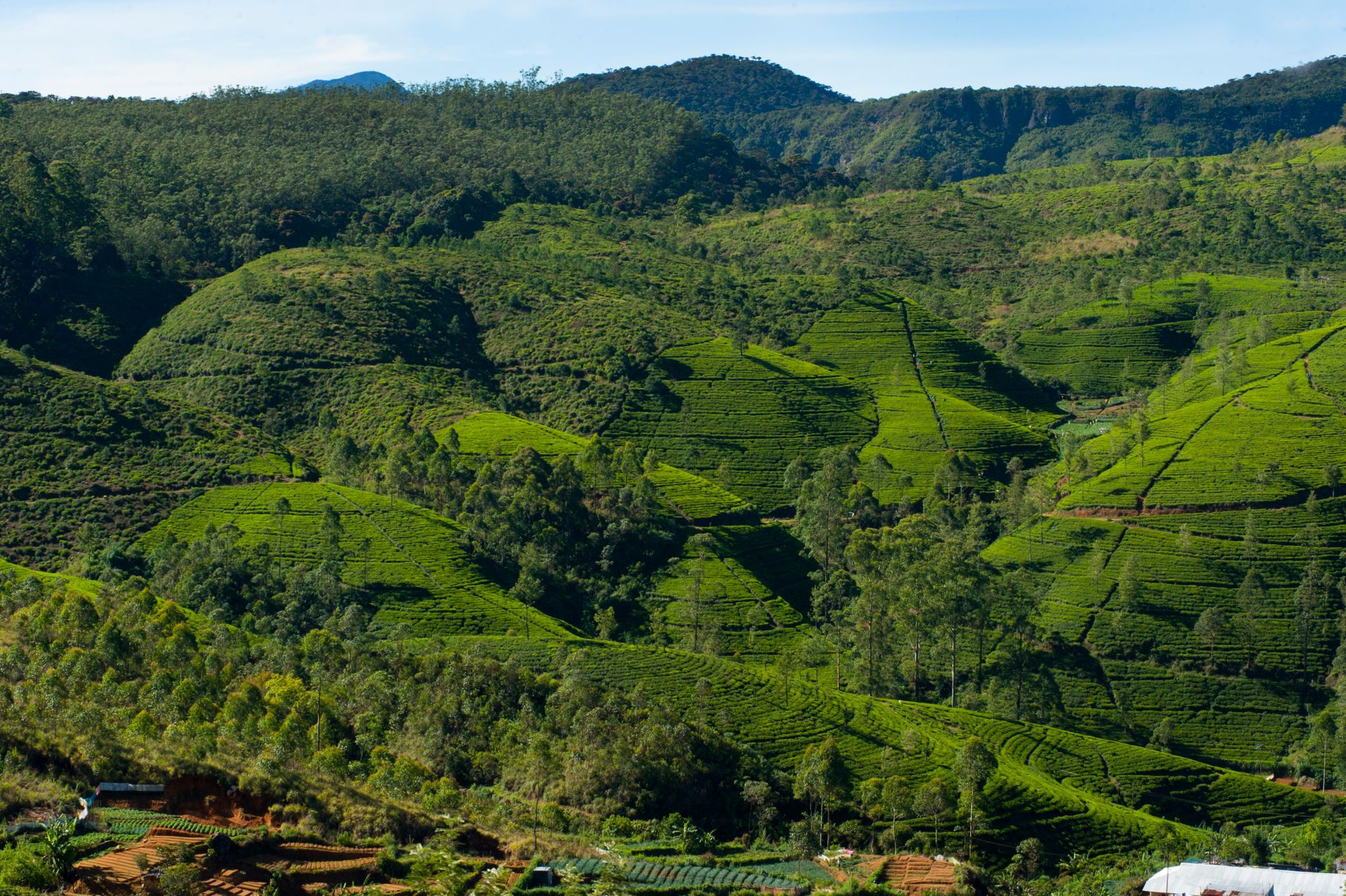
Cover photo: Atlantic Ambience (Pexels)
What grades actually mean
Grades describe leaf size and style, not a simple good-to-bad ladder. Whole-leaf Orange Pekoe family brews lighter and more aromatic; broken grades (BOP family) brew stronger and faster, which is why they suit milk tea; fannings and dust brew darkest fastest and fill tea bags. Letters stack logically: F for flowery, B for broken, T for tippy golden tips, G for golden — so TGFOP is a fine whole leaf with plenty of tip. Price follows leaf appearance, season and elevation as much as flavour.
Elevation is the quiet flavour dial. High-grown (above ~1,200m: Nuwara Eliya, Dimbula, Uva) grows slow in cool air — pale, bright, floral cups; Nuwara Eliya is the champagne of the island. Mid-grown (600–1,200m: Kandy) runs rounder and maltier. Low-grown (below 600m: Ruhuna, Sabaragamuwa — the south's own tea) brews dark, bold and malty, built for milk (Lakpura FAQ, label guide).
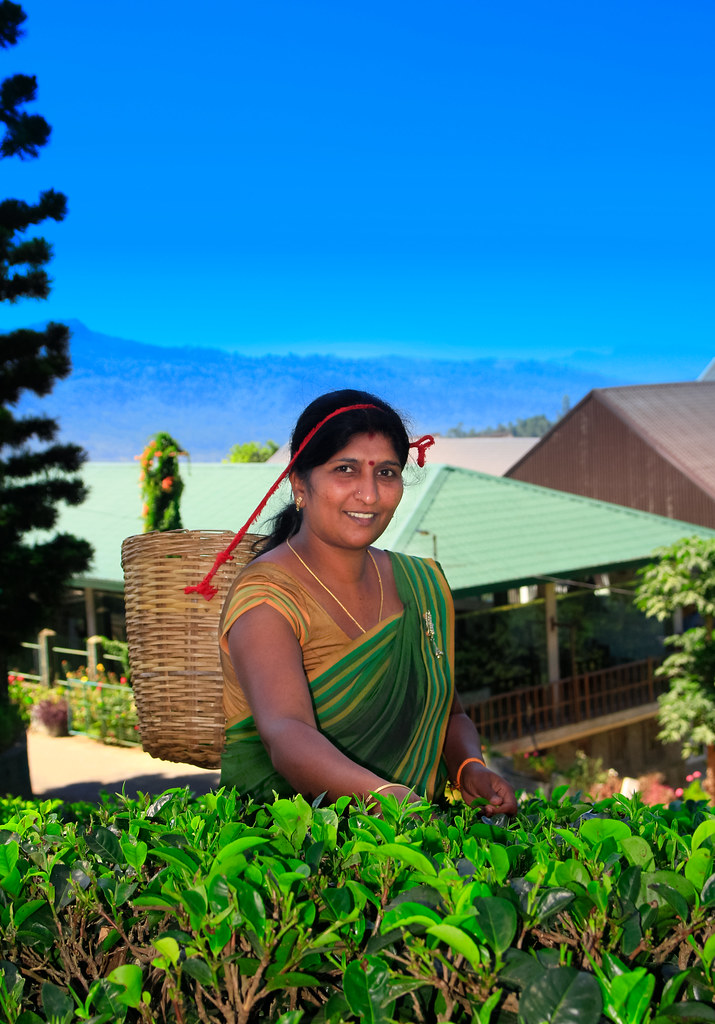
Photo: Nithi clicks (Flickr)
Buy with two bags
A whole-leaf high-grown tea for drinking plain, and a broken grade for the strong morning cup. Same garden, different cut, different drink. Taste before paying for rare names. Buy loose tins at factory shops where you can — supermarkets run smaller packs and often dustier blends of the same name (Tripadvisor regulars). The Ceylon Tea Board lion logo marks pure Ceylon tea; no lion, no certainty.
Visit to learn: Pedro Estate (1885, under Pidurutalagala) runs short tours on still-working colonial machinery; Dambatenne (Lipton's 1890 factory) pairs the full process with the walk up to Lipton's Seat. Factory tours are cheap and usually end in a tasting — the best classroom this guide has.

Photo: Tjeerd (Flickr)
Brew it right (starter)
Whole leaf: just-off-boil water, 3–4 minutes patience. Broken and dust: fully boiling, 2–3 minutes, watched closely. Over-steeping punishes good leaf faster than cheap water does — when in doubt, decant early and re-steep whole leaf a second time.
Our estate, honestly
We cultivate 15 acres in Sri Lanka (high-density; first yield planned at 400 kg per acre per month toward 1,800–3,000 at maturity, 150 Rs per kg basis — estimates to prove, per our Estate Diary). When harvest lands, grades here stop being theory: the waitlist on the home page hears first, and this guide gains our own tasting notes.
Places: hill-country, nuwara-eliya
Keep exploring
New guides twice a week: beaches, costs, routes and honest local truth.
Comments & tips